 (316) 435-3509
 office@divine-lawns.com
Lawn Care Practices To Avoid or Implement For Cool Weather
Introduction: Cold snaps test a yard in quiet ways. What happens at the soil line and inside the grass crown from late fall through winter decides how quickly a lawn wakes up in spring. With a few smart lawn care habits and a short list of things to skip, winter becomes a season you can preserve your lawn’s health rather than perform damage control all the time.
Cold Weather Lawn Care Fundamentals For A Healthier Spring
Protecting Roots And Crowns When Temperatures Slide
Grass survives winter because the crown stays alive while blades and shallow roots rest. That small, pale growth point is fragile, so the goal is insulation and gentle handling. Raise the mowing height on the final couple of cuts to leave a cushion that shades the crown and slows moisture loss. Keep the traffic light on when the lawn is frosted. Footprints on frosty turf crush frozen blades and can bruise crowns, which sometimes show up later as streaky tracks when everything thaws.
Soil matters just as much. When cold fronts take moisture out of the air, wind can dry the top inch of soil even if it rained last week. If autumn has been dry, give the lawn a modest final watering before the first deep freeze so the roots go into dormancy hydrated. Around trees and bed edges, mulch installation creates a steady blanket that stabilizes temperature where roots are shallow. Small choices now spare the lawn from yo-yo stress all winter.
Leaf Management, Fall Cleanups, And Snow Mold Prevention
Leaves look harmless at first, yet a flat mat is like a blanket that stifles air flow. It traps moisture and keeps light from the turf, which invites snow mold and spring bare spots. Fall cleanups are the antidote. Clear heavy layers from lawn areas before a storm, and when coverage is modest, consider mulching passes with the mower to chop and feed the soil without smothering the grass. The idea is airflow, not perfection, so aim to keep blades visible after you finish.
Edges and shaded zones need extra attention because they dry more slowly in winter sun. If leaves drift and pack along fences or low spots, go back for a quick touch-up after the wind settles. Bag a portion when the layer is thick, then return to mulching when the lawn shows through again. This balance keeps thatch from swelling while still returning organic matter to the soil. It is a simple rhythm that reduces disease pressure when snow lingers.
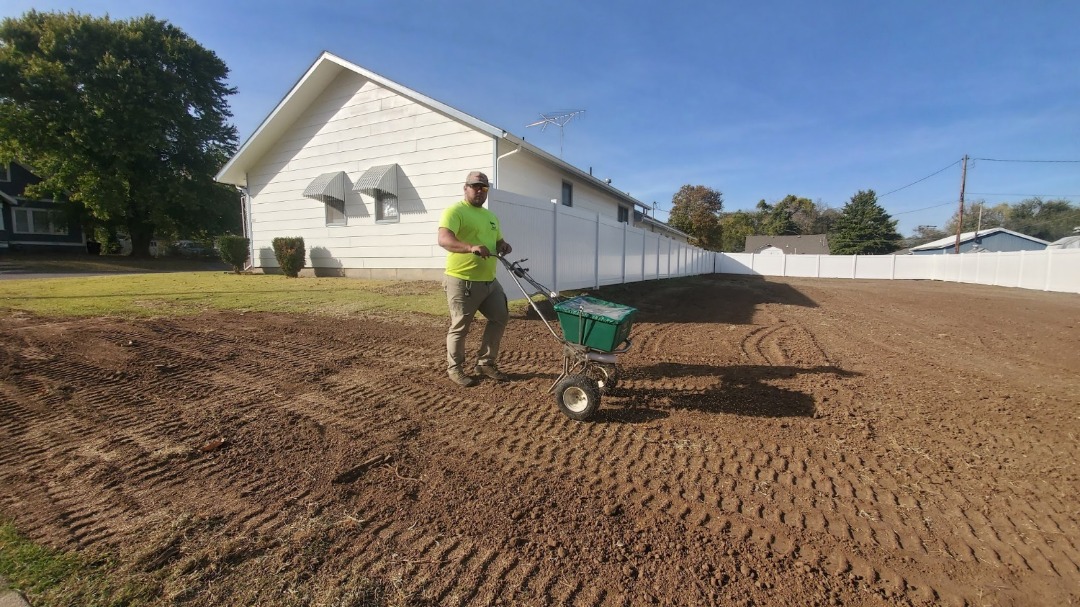
Smart Lawn Care Moves To Implement Before Deep Cold
Timing Aeration And Overseed Decisions Around Weather
Aeration is powerful, but timing is everything as temperatures fall. Core aeration opens pathways for air and water, yet holes become stress points if the soil is already near freezing or saturated. The sweet spot is earlier in the cool season when roots are still active and can grow into those channels. If that window has passed, hold aeration until the ground softens again. Poking holes in cold, soggy soil often leads to torn turf and compaction, which is the opposite of the goal.
Overseeding plans should follow the same logic. Seed needs warmth to sprout and settle roots before consistent cold. When nights drop too low, seed sits idle on the surface and becomes bird food. In late fall, focus on protection and cleanliness rather than pushing growth that the weather will not support. Save the overseed for the next favorable stretch, and let aeration pair with it then. This patient approach respects the season and yields thicker, happier grass later.
Watering, Mower Settings, And Mulch Installation
Short days and cold air change how a lawn drinks. Deep, infrequent watering can make sense in the fall, yet once the ground begins to chill, less is more. Water early on mild days so the surface dries before sunset. That habit prevents shallow ice from forming overnight, which protects both blades and shoes the next morning. Check irrigation settings and shut down automated cycles that do not match the new pace. The lawn still needs moisture, just not the summer kind.
Tool settings still matter this late in the year. That last cut at a slightly higher height protects crowns without leaving a mat that folds under snow. Blow clippings off hard surfaces so they do not wash into drains. Around trees and at bed transitions, mulch installation creates a clean edge and buffers soil from temperature swings. It is a small layer with a big effect, especially in spots where roots compete with turf for space and warmth.
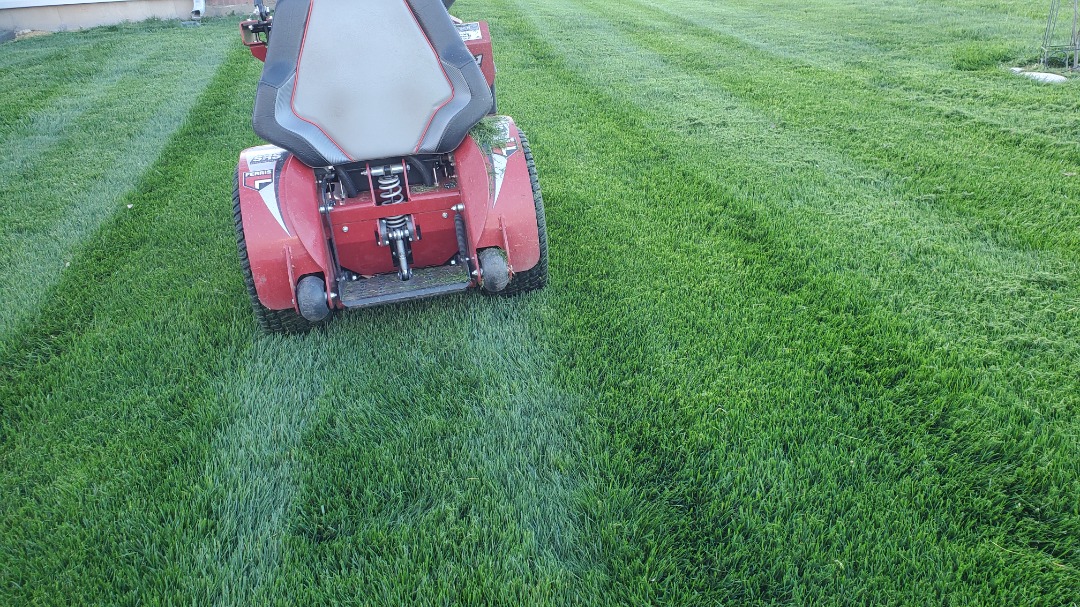
Lawn Care Practices To Avoid Once Winter Sets In
What Stresses Dormant Turf And How To Sidestep It
Dormant turf is tough but not invincible. Heavy traffic collapses the air spaces that keep soil springy, so park vehicles on the drive and steer footpaths to shoveled routes. When plowing or shoveling, resist stacking dense, salty snow onto lawn corners. Those piles take the longest to melt and can burn the grass underneath. If deicing near turf edges, sweep excess granules back to the pavement after things melt so they do not leach into the soil.
Frost mornings ask for patience. Lawn mowing, edging, or even quick runs on a glittering lawn can snap frozen blades and leave faint scars that stick around. Wait until the frost lifts before stepping across the yard. The lawn does not need to be perfect in winter. It needs to be left alone at the right moments so it can bounce back once the light grows and the soil warms up again.
Common Product And Equipment Missteps
A handful of habits cause trouble every year, and they are easy to dodge. Late, heavy fertilizing chases growth that cold weather cannot support, which can tip the balance toward disease when snow arrives. Save nutrient pushes for the recommended windows and lean into cleanliness instead. Spraying herbicides on very cold days rarely pays off because weeds are not actively taking in the product. Focus on prevention and pick battles when the weather matches the label.
Equipment can backfire in winter, too. Dull mower blades tear leaves on those final fall passes, which fray and brown along the edges. Swap or sharpen before the last maintenance cut so the lawn goes into dormancy tidy and intact. Avoid driving heavy machinery across soaked or partly frozen turf, as winter ruts can become compacted scars in spring. Keep snow tools for snow and lawn tools for lawn. Clear boundaries make for fewer headaches later.

Conclusion
Cold-weather lawn care is mostly about restraint, protection, and timing. Keep crowns cushioned, keep leaves from matting with thoughtful fall cleanups, and save aeration for the window when roots can respond. If a steady hand sounds good but a packed schedule gets in the way, connect with Divine Lawns. Share your priorities, choose a plan that fits your routine, and let a friendly crew guide winter habits that set up a strong, green return. Contact us to build your cold-season lawn care plan and step into spring with confidence.


Stephanie D.
Nolan A.
Tom F.
Anthony H.
