 (316) 435-3509
 office@divine-lawns.com
How Fall Fertilization Provides Kansans With Healthy Lawns
Introduction: Autumn is when fertilization quietly does its best work, building roots while the air is cool and the soil still holds warmth. With a clear plan that fits real life, lawns head into winter stronger and wake up fast when spring light returns. Think of this as the friendly, no-drama roadmap to get there.
Fertilization For Fall Strength And A Head Start On Spring
Soil Testing And Nutrients That Actually Make A Difference
Healthy turf starts within the soil, not the spreader. A simple test shows where nutrients are located and what the pH is doing, allowing fertilization to be precise instead of relying on wishy-washy guesswork. In many neighborhoods around Wichita KS, soils are alkaline, and phosphorus can be tricky, while other blocks show the opposite. Knowing the baseline keeps the plan honest. Nitrogen drives color and growth, phosphorus supports rooting, and potassium helps the plant handle stress. When the blend matches the need, the grass thickens without the surge-and-crash cycle that leads to weak blades and more problems later.
October is forgiving. The heat has backed off, rain feels steadier, and the turf is still awake enough to put nutrients to work. A slow-release nitrogen source continues to feed as temperatures dip, causing roots to stretch deeper day by day. That deeper reach matters when winter dries the top inch of soil or when a quick warm spell tempts new growth. With the right fall fertilization, the lawn builds reserves quietly and then shows the payoff when spring arrives, and the first mow feels smooth instead of scraggly.
Timing, Weather Windows, And Spreader Settings That Keep Things Even
Timing is rarely perfect, so the goal is to pick a decent window and commit. Aim for a dry day with calm air, then water in lightly afterward to start the nutrient move into the root zone. Suppose rain is already on the way, even better, as long as it is a normal shower and not a storm that would wash the product away. A second, lighter pass later in the season can be sensible for lawns that carried heavy traffic, but the first October application does the heavy lifting.
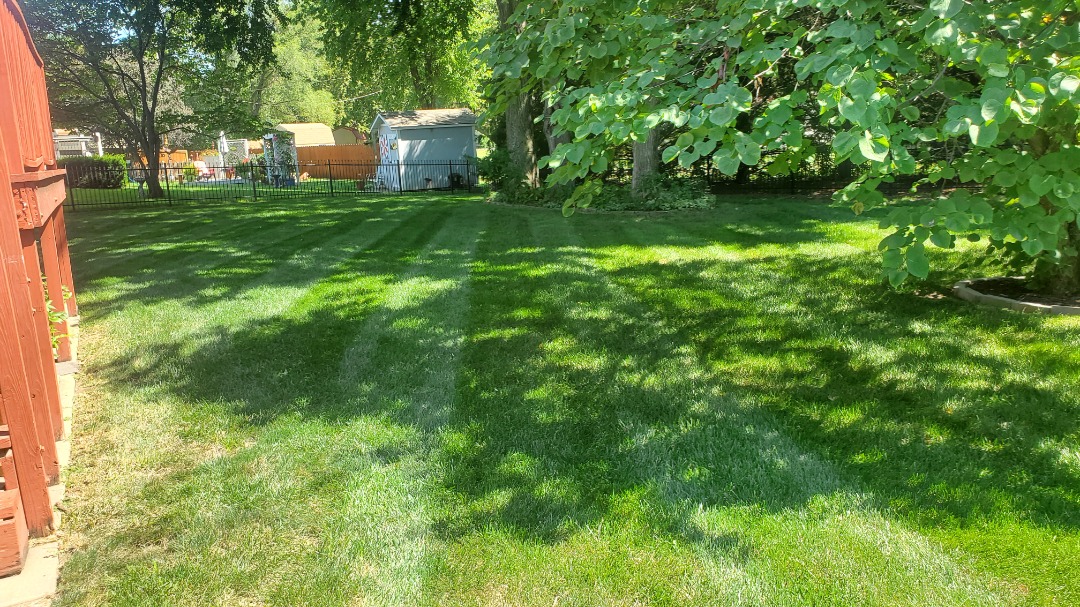
Even coverage is what separates a lawn that looks quietly beautiful from one that shows stripes. A broadcast spreader gives smoother overlap, but the dial setting matters just as much. Calibrate on a small test area before committing to the whole yard. Walk at a steady pace, allow a little overlap on each pass, and avoid cranking the flow wide open at lawn edges near driveways or sidewalks. Cleanup is also part of the craft. Sweeping granules back onto the grass keeps nutrients where the roots can use them and protects nearby drainage.
Fertilization Application Techniques That Protect Turf And Save Time
Granular Versus Liquid And How Each Fits A Routine
Granular fertilizers are the typical weekenders’ friend. They store well, spread predictably, and pair nicely with a slow-release strategy that feeds for weeks. For homeowners in Andover KS, who like a dependable rhythm, applying granular fertilizer in October followed by a lighter application keeps growth steady without flooding the plant. Liquids, on the other hand, absorb fast and can be helpful for mid-season touch-ups or when a quick green-up before an event would be nice. Both methods work. The choice depends on the schedule, equipment, and the amount of hands-on fine-tuning the homeowner wants.
Some lawns blend the two approaches. Granular sets the baseline, while a targeted liquid application corrects a specific deficiency revealed by a soil test. That keeps the total nutrient load reasonable while dialing in what the turf actually needs. On properties with mixed shade and sun, liquid spot-feeding can balance growth where trees filter light through the day. The point is to pick tools that fit the routine instead of forcing a routine to fit the tools.
Watering, Mulching Edges, And Finishing Touches That Matter
Right after fertilization, water has a job to do. A gentle soak pulls nutrients off the leaf blades and into the soil where roots live. In October, cooler nights slow evaporation, so less water carries farther. Two shorter cycles often work better than one long run, especially on compacted areas that resist a quick intake. Watch how the surface behaves. If puddles show up, pause and let the soil drink, then continue. That slow-and-steady approach reduces runoff and keeps product in the root zone.
Edges frame the whole picture. Where the lawn meets beds, mulching acts like a buffer, catching stray granules so they do not wander into paths or onto patios. After the spreader is parked, a quick sweep of hard surfaces and a tidy pass along bed lines make the fertilization look professional. It sounds small, yet it is the kind of detail neighbors notice without knowing why. The lawn looks composed, the landscaping reads as clean, and the yard feels cared for without shouting about it.
Fertilization With Weed Control And Landscaping Coordination
Pairing Nutrients With Weed Control For A Thicker, Cleaner Lawn
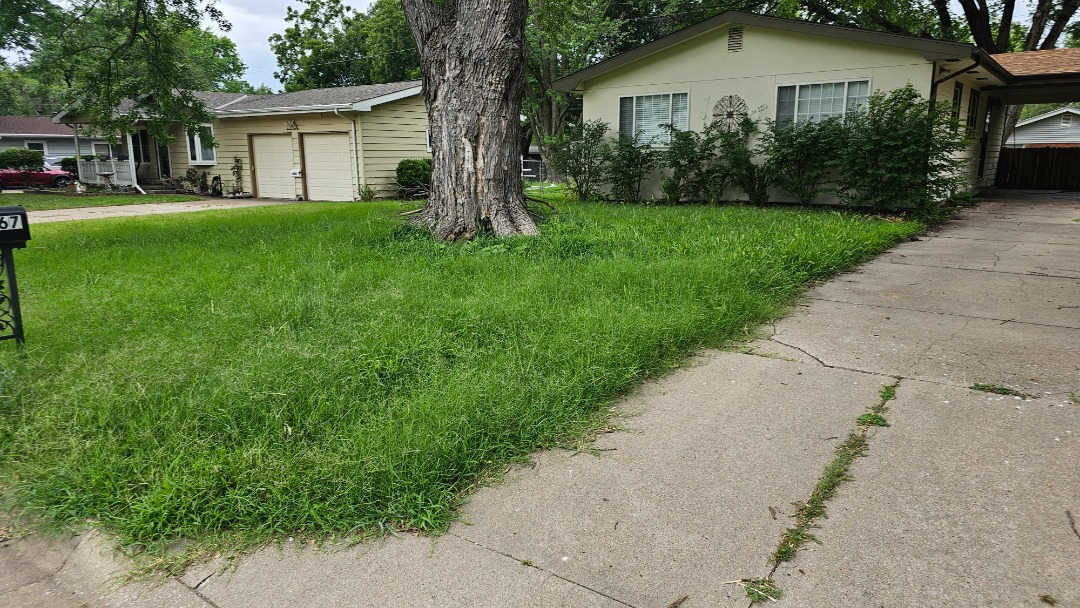
Fertilization and weed control are more effective together than either one alone. Strong turf fills space, and fewer open spots mean fewer places for opportunistic seeds to grab hold. In the fall, broadleaf treatments target the weeds that stayed stubborn through summer, while fertilization thickens the canopy overhead. The result is practical. When the first warm week rolls in, the grass wakes up ready, and weeds meet a lawn that is not offering easy invitations.
There is no need to carpet-spray a whole property if trouble zones are limited. Spot treatments in high-pressure areas protect the rest of the yard from unnecessary exposure. A soil test can also guide whether a nutrient imbalance is helping weeds win in certain pockets. Fix the imbalance, and the weeds often give up ground fast. It is a calm, measured approach that respects both the lawn and the people who live on it.
Working Clean Around Trees, Beds, And High-Visibility Areas
Lawns do not live alone. Trees stretch roots well beyond their canopies, and ornamentals line walkways where guests linger. Fertilization near these features deserves a gentle touch. Keep product off trunks and shrub bases, avoid piling granules into crown areas, and water in promptly so materials are not left on leaves. Around beds, mulching helps hold moisture and creates a neat visual edge that supports the lawn’s clean lines.
Seasonal coordination keeps the yard looking composed. If fall planting or bed refreshes are underway, fertilization can bracket those tasks, feeding turf while new perennials settle. The goal is harmony, not a tug of war. Landscaping updates frame the lawn, which in turn returns the favor by staying thick and even, so the whole property feels intentional. When seasons shift in places like El Dorado KS, this coordination is what makes the yard transition smoothly rather than lurch from one task to the next.

Conclusion
Fall is the moment to feed for tomorrow, then enjoy the calm it brings today. With thoughtful fertilization, tidy application, and a practical eye on weed control and landscaping details, a lawn carries strength into winter and greets spring ready to shine. When homeowners want a plan that fits their schedule without the guesswork, Divine Lawns is ready to help, from soil test to final sweep. Reach out to start a clear, friendly fertilization program that makes the yard feel cared for every single week.


Stephanie D.
Nolan A.
Tom F.
Anthony H.
