 (316) 435-3509
 office@divine-lawns.com

The Role of Soil Health in Weed Control and Fertilization
Weed control and fertilization are two big ways to grow a healthy, thriving lawn, but they’re not the only ways. Everything begins at the roots, and if your soil health isn’t up to snuff, you won’t see much growth. Let’s discuss the role of soil health in weed control and fertilization efforts so you can grow a flourishing lawn without the headache.
Soil Testing for Proper Weed Control and Fertilization
You can’t improve your soil health without knowing its current nutrient levels. Soil testing involves sending soil samples to a lab to be tested for nutrient levels, pH, and carbon exchange capacity (CEC), among other things. Soil testing helps with weed control by identifying nutrient deficiencies and soil imbalances that can lead to weed infestations. Soil tests can also help you promote the species you want in your yard by adjusting the soil’s pH level to prevent certain weeds. For example, dandelions and duckweed thrive in acidic soil conditions, while clover prefers soils low in nitrogen. Most weeds thrive in acidic conditions, so you can add lime to your soil to make it less hospitable to weeds. Soil moisture is also important to note, as too much water or drainage problems can give weeds an advantage, and too little water can cause drought stress, in turn causing weeds to grow back. Weeds can take nutrients from the soil, making your lawn unhealthy and more susceptible to other stressors. So it’s important to fertilize your lawn, but you want to ensure you’re removing the weeds so that your grass is actually improving.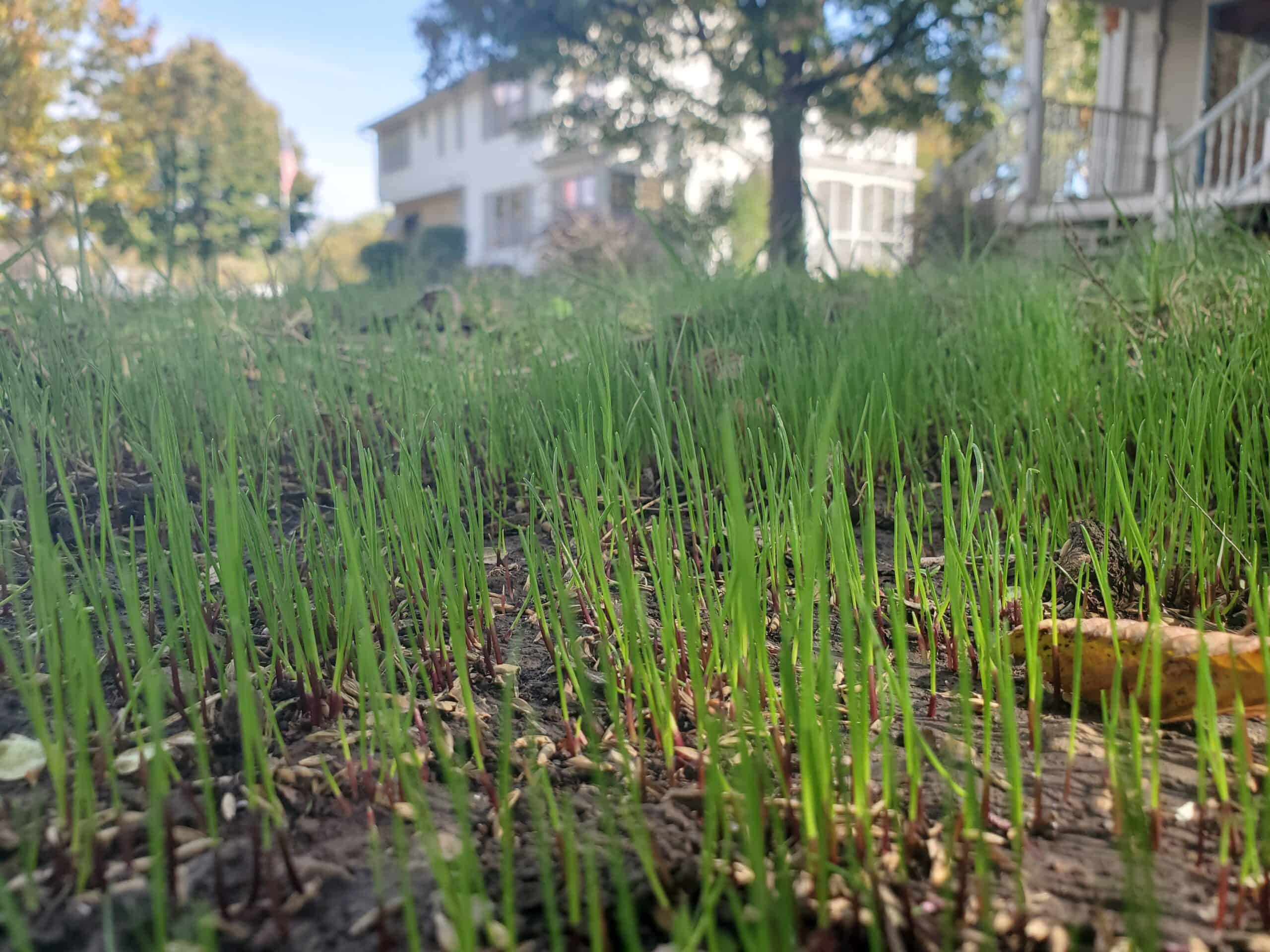
pH Balancing for Optimal Weed Control and Fertilization
As previously mentioned, your soil test will tell you the pH of your soil. Ideally, the pH range for lawns should be between 6.0 and 7.0. Soil that’s too acidic or alkaline will make some nutrients unavailable to the grass. You can add lime to raise the pH or sulfur to lower it, but remember that adding too much of either will damage your lawn, so apply with caution. Regarding weed control, pH affects its impact in three ways: herbicide availability, persistence, and charge. Certain types of herbicides are better suited to certain pH levels than others–for example, triazine herbicides are better for high-pH soils, while imidazolinone is better for lower pH. Soil pH also affects how long herbicides work and how they interact with soil colloids. In terms of fertilization, soil pH affects how nutrients are available to plants and how they react with each other, which can impact how effective fertilizer is. Low-pH soils make many elements like iron, aluminum, and manganese less available to plants and can even make them toxic to plants. High pH also reduces the availability of certain elements, like zinc, copper, and cobalt. Additionally, calcium can tie up phosphorous, making it unavailable to plants, and molybdenum and boron can become toxic. This all results in less nutrient uptake and less foliage.Organic Matter for Enhanced Weed Control and Fertilization
Applying organic matter to soil immediately enhances soil health. This could come in the form of mulch, cover crops, or organic chemicals. Mulching helps prevent weed seeds from germinating by blocking light and shading emerging weeds. It also helps retain soil moisture, improves competitiveness, and even gives plants nitrogen.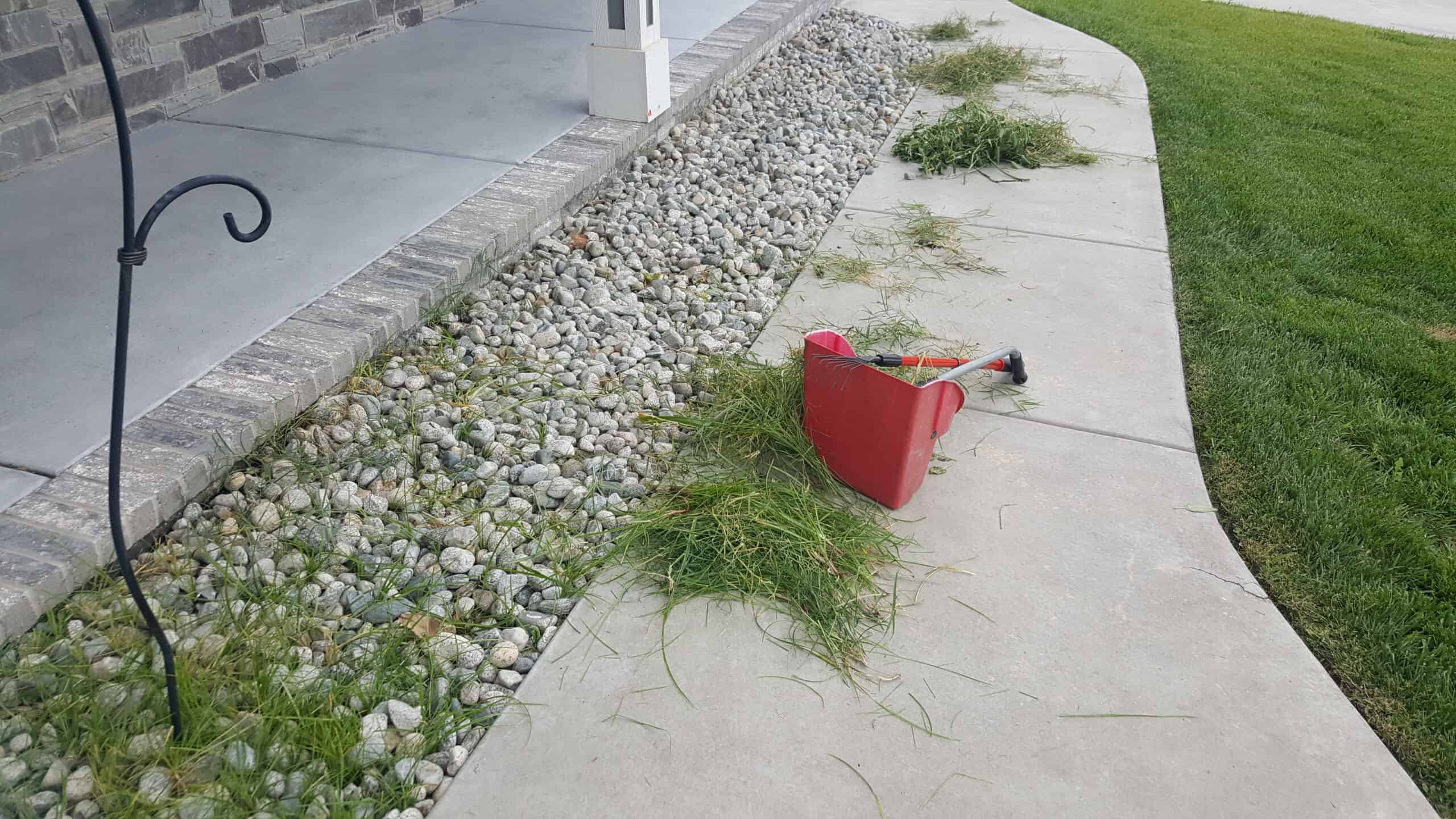 Cover crops help suppress weeds and improve soil structure and fertility, providing a well-rounded soil health solution. Organic chemicals like corn meal, vinegar, salt, and dish soap make great natural weed killers that also help with weed prevention. Regularly applying organic fertilizer can help the grass grow thick enough to choke out weeds.
Organic fertilizers are highly recommended because organic matter is effective for lawn growth. Organic matter like compost, manure, and peat moss, among others, improves soil structure, water holding capacity, and aeration and increases the number and type of microorganisms that help plants survive drought. This is all because many nutrients, especially N, S, P, Cu, and Zn, are released into the soil when organic matter decomposes. This effectively prevents weeds while building up the health of your lawn.