 (316) 435-3509
 office@divine-lawns.com
Wichita Snow Removal | Where to Pile Snow Before the Next Thaw
Introduction: January in Wichita KS, can feel unpredictable. One day, it snows, and the roads are slick and wet…then the sun appears, and everything melts quickly. That is why snow removal is not only about clearing space. We know it’s also about where all that snow ends up. If the piles are placed incorrectly, meltwater can block drains and flow right back towards the house. Keep reading on to help avoid this serious issue.
Picking Strategic Snow Storage Before Snow Removal Starts
Safe Landscaping Zones for Strategic Snow Piling
A homeowner in Wichita KS, can learn a lot by watching where water flows on a typical rainy day. The same low areas that collect puddles in spring will collect meltwater in winter, too, and a snow pile can turn that spot into a small pond. Before snow removal is required, choose a storage area slightly higher than the nearest sidewalk or driveway edge, so meltwater can still flow toward the street or a natural drainage path. If the yard has a shallow swale, the dip must remain open, as it is the property’s “ditch” that guides water away.
Another thing that surprises people is how far meltwater can travel when the ground is still frozen. In Wichita KS, the soil can be stiff in January, so water may run off the surface rather than soak in immediately. That is why a snow pile at the base of a slope can act like a dam, especially when the thaw begins midday and refreezes at night. A better choice is a spot where water can fan out and keep moving, not a tight corner between the house and fence.
Lawn Care Risks When Snow Sits Too Long Here!
Even when everything is dormant, grass still reacts to what happens above it. If snow is repeatedly piled in one place, it can compact the turf and retain moisture longer than the rest of the yard. That can lead to thin spots later and invite snow mold when weather conditions fluctuate. When a homeowner wants to protect lawn care results, it is smart to avoid piling snow on the same patch of grass all winter. It also helps to keep piles away from young trees and shrubs, as extra weight and ice can damage their branches and bark.
There is also the spring cleanup. Large piles often leave behind grit, gravel, and debris that are dragged in from the driveway and street. When the pile finally melts, the material can settle into the grass, making mowing more difficult later. During snow removal, it is usually better for the yard to place piles in a tougher area, such as a less-used corner or along an area that can handle some traffic without becoming a mud spot.
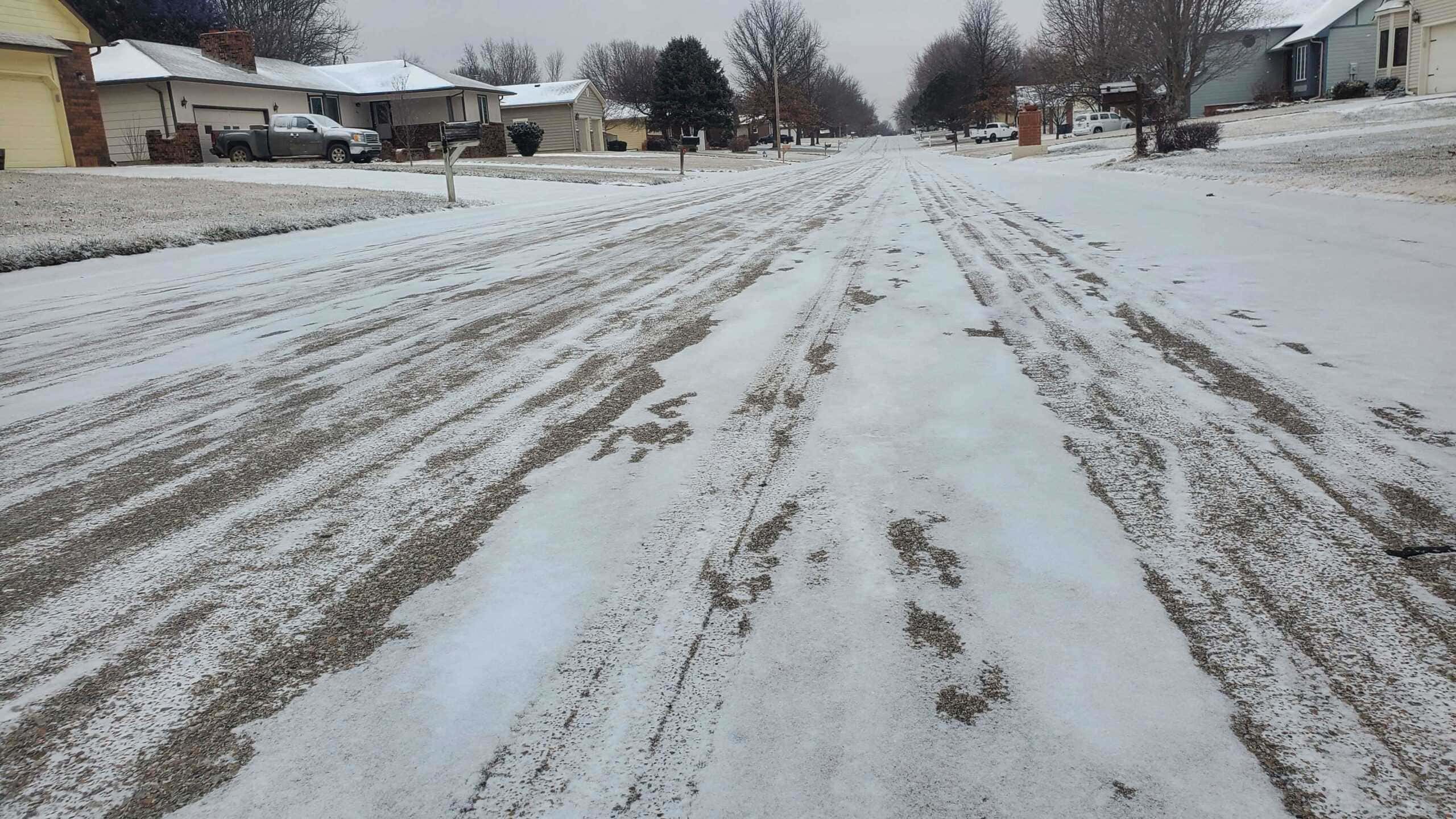
Managing Snow Removal for Faster Drainage During Thaws
Landscaping Tips for Identifying Blocked Storm Drains
Storm drains are often the real heroes during a thaw, and they only work when they are not buried. Many homeowners do not notice the location of the nearest curb inlet until it is already covered by snow. Keep a clear buffer around any drain opening so meltwater can enter and continue flowing through the system. If the neighborhood has curb cuts, shallow gutters, or a street dip that channels water, those features should stay visible as well. When snow blocks that path, water begins to pool in the street and then seeps back toward driveways.
A simple habit that helps is looking at the curb line before the next storm arrives. If the drain is hard to see, it can be marked with a tall driveway stake to make it easier to avoid when pushing snow. That also prevents a plow or shovel from scraping across the opening and packing it with ice. Keeping that inlet area open is one of the best ways to protect both the street and the property.
Smart Lawn Care: Managing Salt and Snowmelt Near Streets
Winter products can be helpful, but they can also cause issues once the melt begins. When a snow pile sits at the curb, the meltwater often carries salt, sand, and road residue straight into the nearest strip of grass. That edge is already stressed from car spray and foot traffic, so it is usually the first place to show burn or thinning later. For snow removal, avoid stacking snow directly on the lawn strip between the sidewalk and curb, even if it seems like the most convenient spot.
This is where lawn care and winter work really connect. If a homeowner wants a greener start in spring, they can treat the curb area as a “sensitive zone” and keep it clear of heavy piles. That does not mean avoiding deicer entirely, but it does mean considering where the meltwater will travel as temperatures rise. Careful placement helps prevent the yard from encountering a salty surprise later.

Snow Removal For Better Landscaping: Plan Piles For Meltwater
Clearing Landscaping Drain Paths Through Beds and Swales
A thaw can show a homeowner exactly where their yard drains well, and where it struggles. Water often follows the edges of flower beds, mulch areas, and low swales because those spaces channel the flow. During snow removal, avoid creating a pile that blocks those routes, especially if the bed borders the house foundation. When meltwater cannot drain away, it can remain against the home longer than it should, increasing the risk of seepage and wet spots.
Backyard drainage matters, too, especially in neighborhoods where lots sit close together. If a pile is stacked right along the fence line, meltwater can collect in that narrow strip and push into a neighbor’s yard, or come right back toward the patio area. A better spot is usually one with a clear run toward a yard drain path or an open area where water can spread without trapping.
Lawn Recovery After Heavy Winter Pileups
Once winter settles down, the yard often tells the story of where snow was stored. Some areas bounce back quickly, while others look thin, matted, or slow to green up. That is not always a disaster, but it is a sign that the turf in that spot has been exposed to extra weight and moisture. Good lawn care after winter usually starts with a gentle cleanup once everything is fully melted, so the grass can dry out and regain air. If grit built up where the piles sat, removing that layer helps the lawn avoid stress when mowing season starts.
If bare or weak spots appear, it is better to address the root cause rather than simply react to the damage. Sometimes that means changing where snow is stacked next winter, or spreading piles out so that one section does not carry all the pressure. It can also mean checking for low areas that should be graded to improve drainage, as those spots collect both snow and water. When lawn care is treated like a full-season plan, winter does not feel like a setback.

Conclusion
Snow piles seem harmless until the thaw starts and the water has nowhere to go. Keeping drains open and choosing a storage spot with good drainage can help protect sidewalks, streets, and the yard. A little extra care during winter clearing usually means fewer headaches in spring lawn care. If you need help with snow removal handled with a personalized approach, we at Divine Lawns are ready to help. Contact us today, and we will clear the property so that meltwater works for you, not against you.


Stephanie D.
Nolan A.
Tom F.
Anthony H.
