 (316) 435-3509
 office@divine-lawns.com
Weed Control and Fertilization for a Healthier Lawn
Introduction: A lush, green lawn is a point of pride for many homeowners, but achieving and maintaining that vibrant look takes more than just mowing and watering. Weed control and fertilization are two essential components of any lawn care routine. Without them, your grass competes with invasive species for nutrients, and the soil can become depleted, leaving your lawn patchy and undernourished. With the right strategies and timing, you can protect your lawn and enhance its growth, creating an outdoor space that thrives in every season.
Understanding Weed Control and Fertilization
Why Weed Control Matters
Weeds are more than just unsightly; they can be aggressive competitors in your lawn’s ecosystem. They rob your grass of water, sunlight, and nutrients. Left unchecked, they can quickly overtake even a well-established lawn. Controlling weeds requires an understanding of their growth cycles and how they spread. Annual weeds like crabgrass tend to germinate in the spring, while perennial varieties such as dandelions can persist year-round. Addressing them at the right time is critical for effective control.
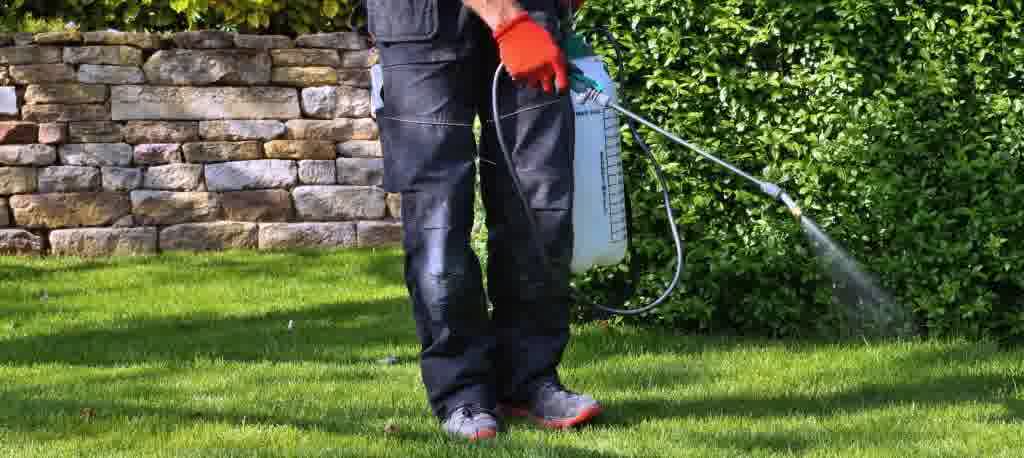
Post-emergent treatments work on weeds that have already sprouted, while pre-emergent solutions target weed seeds before they germinate. Timing is key—applying a pre-emergent too late means missing the window, and applying a post-emergent too early might not affect mature weeds. When used properly, herbicides can be a valuable tool, but they should always be applied in accordance with label directions and ideally during calm, dry weather to prevent drift and runoff.
The Importance of Fertilization
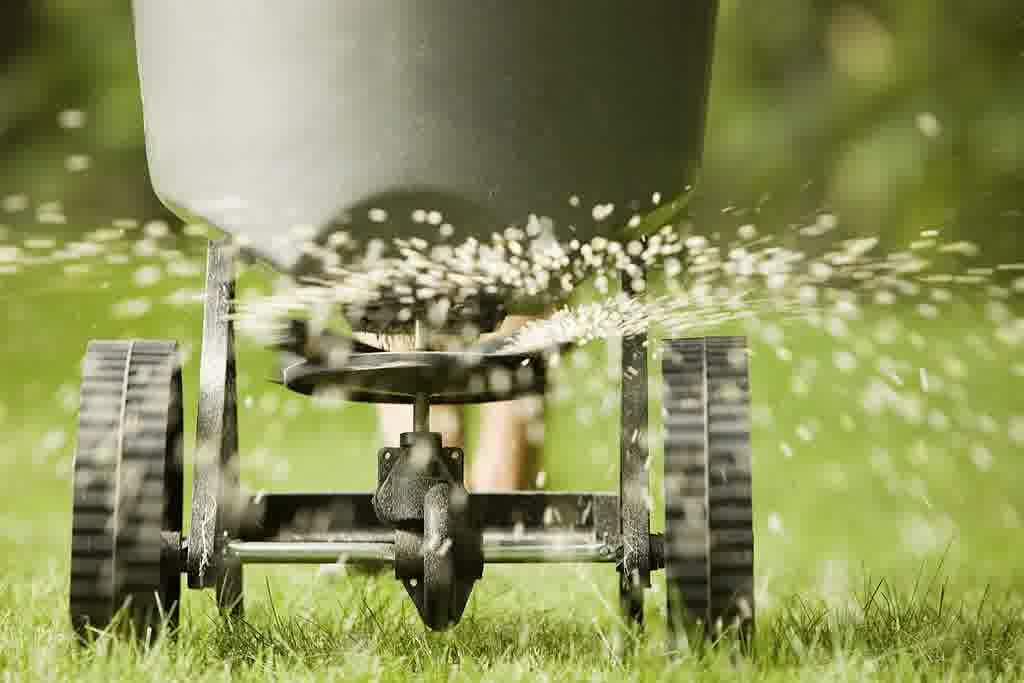
Your lawn’s health depends heavily on the nutrients available in the soil. Over time, natural processes and weather deplete those nutrients. Fertilization replenishes essential elements like nitrogen, phosphorus, and potassium, which promote root strength, leaf growth, and disease resistance. The key is to fertilize with intention—more is not always better.
Different grass types and soil conditions require different approaches. Cool-season grasses, like fescue and Kentucky bluegrass, benefit from fertilization in the early spring and fall. Warm-season grasses, like Bermuda and zoysia, thrive with a boost in the late spring and summer. A soil test is the best way to determine what nutrients your lawn is lacking and guide your fertilization plan. Applying the correct product at the right time of year ensures maximum effectiveness and prevents waste or lawn damage.
Creating a Lawn Care Plan That Works
Building Seasonal Routines
Effective weed control and fertilization don’t happen in a single weekend. Instead, they are part of an ongoing maintenance routine that evolves throughout the year. In the spring, your focus should be on preventing the germination of invasive weeds and giving your lawn the nutrients it needs to bounce back from winter dormancy. As temperatures rise in the summer, keeping your lawn hydrated and maintaining your mowing height can reduce weed stress and help fertilizer do its job.
Autumn is ideal for feeding your lawn one last time and tackling any lingering weeds before they go dormant. This preparation ensures your turf enters winter strong and ready to thrive again in spring. With consistent attention and proper timing, your lawn will become more resistant to disease and pests, and more capable of crowding out new weeds naturally.
Avoiding Common Mistakes
One of the biggest pitfalls in lawn care is overapplication. Applying too much herbicide can burn your lawn and harm nearby plants, while over-fertilizing can cause excessive growth and increase the risk of runoff into nearby water sources. Using the right amount based on your lawn’s needs is just as important as using the right product.
Another common mistake is using a one-size-fits-all approach. Lawns vary by region, sun exposure, drainage, and use, so your maintenance plan should reflect those unique conditions. Taking the time to understand your lawn’s specific needs will pay off in healthier, more beautiful results.
Long-Term Benefits of Consistent Lawn Care
Strengthening Turf Over Time
A well-fertilized and weed-free lawn doesn’t just look better—it performs better, too. Strong, healthy turf provides better erosion control, manages water more efficiently, and even improves local air quality. Dense grass growth also shades the soil, making it harder for weeds to take root in the future.
By building a reliable care routine, you’re not just reacting to problems—you’re preventing them. Over time, this reduces the need for intervention and creates a more self-sustaining lawn. The investment you make today in understanding and applying proper weed control and fertilization will continue to pay off year after year.
Supporting Sustainability at Home
Smart lawn care isn’t just about appearance—it’s about environmental stewardship. Using the right amount of product at the right time reduces chemical waste and protects surrounding plants, pollinators, and waterways. Composting clippings and improving soil health naturally can also support a more sustainable yard.

Conclusion
Lawn care isn’t complicated, but it does require knowledge and consistency. By understanding the importance of weed control and fertilization—and applying those strategies effectively—you’re setting your lawn up for long-term success. Every season offers new opportunities to support healthy growth and prevent setbacks. When you commit to a routine that respects your soil, your grass type, and your environment, you’ll enjoy a yard that stays green, full, and resilient throughout the year. Get in touch with us to learn more about landscaping, weed control and fertilization, lawn services and more!


Stephanie D.
Nolan A.
Tom F.
Anthony H.
